

ENTERPRISE DESIGN FRAMEWORKS FOR MODERN AIRPORTS : BIM, DESIGN QA/QC, GOVERNANCE, REGULATORY COMPLIANCE, ORAT FRAMEWORKS
Product details
| Management number | 236985398 | Release Date | 2026/07/10 | List Price | US$3.51 | Model Number | 236985398 | ||
|---|---|---|---|---|---|---|---|---|---|
| Category | |||||||||
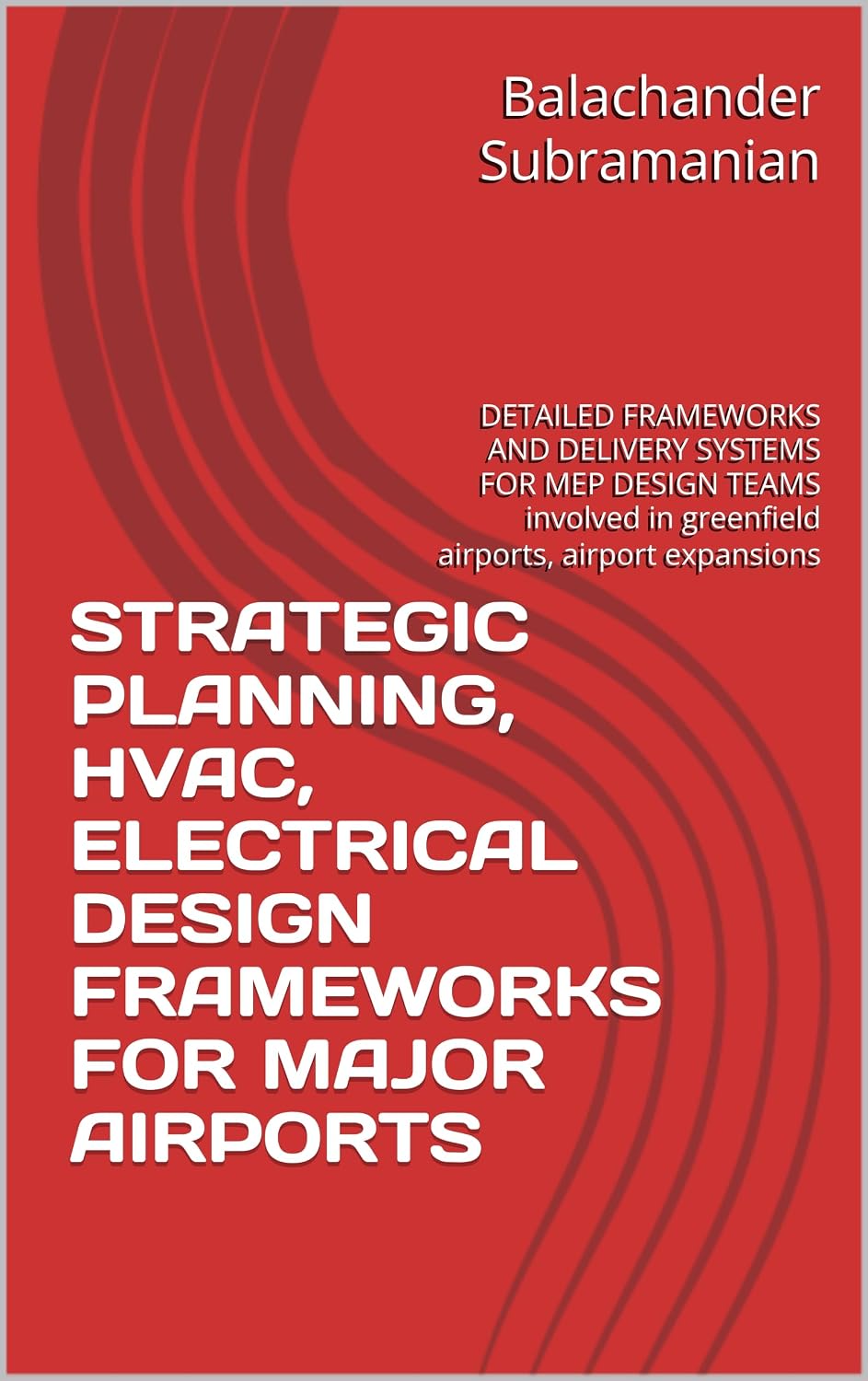
Airports are among the most complex infrastructure assets ever designed, constructed, and operated. Modern airports are no longer simply transportation facilities; they have evolved into highly integrated ecosystems that combine architecture, engineering, digital technologies, passenger experience systems, operational analytics, security environments, sustainability objectives, and mission-critical infrastructure into a unified operational platform.As global passenger volumes continue to increase and aviation infrastructure becomes more technologically advanced, airport owners, consultants, contractors, operators, and digital delivery teams face growing challenges related to multidisciplinary coordination, operational continuity, regulatory compliance, digital transformation, and lifecycle asset management. Delivering modern airport programs now requires far more than traditional design management approaches.This book, Enterprise Design Frameworks for Modern Airports, provides a comprehensive collection of practical frameworks, governance systems, QA/QC methodologies, BIM workflows, digital delivery standards, ORAT strategies, and operational readiness models specifically developed for airport planning, design, construction support, commissioning, and lifecycle operations.The frameworks presented throughout this book establish structured methodologies for managing:Airport BIM executionCommon Data Environments (CDE)Digital twin implementationDesign QA/QC systemsRegulatory complianceClash detection managementPassenger flow modelingCapacity planningDesign governanceOperational readiness and airport transfer (ORAT)Asset information managementConstruction phasing in live operational airportsMultidisciplinary coordinationLifecycle digital delivery ecosystemsUnlike generic infrastructure management references, this book focuses specifically on the operational realities and technical complexities of airport environments, where uninterrupted operations, passenger safety, aviation regulations, security integration, and real-time operational continuity are critical success factors.The frameworks contained within this manuscript are designed to be scalable and adaptable across:Greenfield international airportsBrownfield airport expansionsTerminal modernization programsAirside infrastructure developmentsCargo and logistics hubsMaintenance hangarsAerotropolis developmentsSmart airport ecosystemsIntegrated multimodal transportation hubsThe book also addresses the rapidly evolving digital transformation of airports through BIM, GIS, IoT integration, AI-enabled analytics, digital twins, predictive maintenance, operational simulations, and enterprise-level data governance.Each framework is structured to provide:Governance structuresObjectives and guiding principlesOrganizational responsibilitiesProcess workflowsDigital delivery requirementsKPI and reporting systemsRisk management approachesTechnology integration strategiesBest practices and maturity modelsThis practical structure enables readers to directly adapt and implement these frameworks within real-world airport programs.As airports continue to evolve into intelligent, connected, data-driven environments, the integration of digital engineering, operational analytics, and lifecycle asset management will become essential to future airport delivery success. This book serves as a practical roadmap for organizations seeking to build resilient, scalable, operationally efficient, and digitally enabled airport infrastructure programs. Read more
| ASIN | B0H36TDZ2F |
|---|---|
| XRay | Not Enabled |
| Language | English |
| File size | 1.0 MB |
| Page Flip | Enabled |
| Word Wise | Not Enabled |
| Print length | 475 pages |
| Accessibility | Learn more |
| Screen Reader | Supported |
| Publication date | May 28, 2026 |
| Enhanced typesetting | Enabled |
Bestseller ranking
Technical




Customers who viewed this product also viewed
General


Correction of product information
If you notice any omissions or errors in the product information on this page, please use the correction request form below.
Correction Request Form